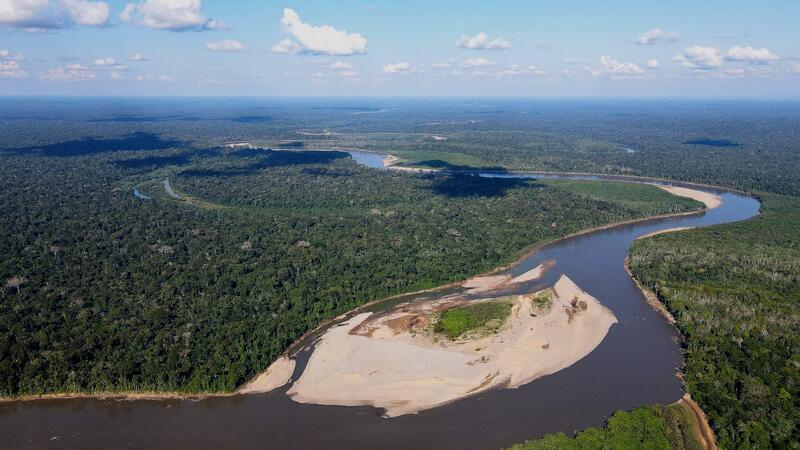
The Manu National Park is one of the most biodiverse places on Earth. Located in the Peruvian Amazon, this protected area is home to thousands of species of plants, birds, mammals, insects, and amphibians. However, like many natural ecosystems around the world, Manu is increasingly affected by climate change.
Understanding how climate change impacts this extraordinary region is essential for conservation and for promoting responsible tourism in the Amazon rainforest.
Why Manu National Park Is So Important
Declared a UNESCO World Heritage Site in 1987, Manu National Park covers more than 1.7 million hectares of protected rainforest. The park includes ecosystems that range from the high Andes to the lowland Amazon jungle.
Scientists have recorded:
More than 1,000 bird species
Over 200 species of mammals
Thousands of plants and insects
This makes Manu one of the most important biodiversity hotspots on the planet.
Climate Change Effects in the Amazon Rainforest
Climate change is altering the natural balance of the Amazon ecosystem. In Manu National Park, researchers and local communities have begun to observe several environmental changes.
Rising Temperatures
Higher temperatures can affect plant growth and alter habitats for wildlife. Some species may move to higher elevations searching for cooler environments.
Changes in Rainfall Patterns
Rainfall in the Amazon has become less predictable. Longer dry seasons and stronger storms can affect rivers, forests, and wildlife populations.
Impact on Wildlife
Animals such as monkeys, birds, amphibians, and insects depend on stable climate conditions. Changes in temperature and rainfall can disrupt food availability, breeding cycles, and migration patterns.
Threats to Biodiversity
The biodiversity of Manu is extremely sensitive to environmental changes. Climate change can lead to:
Habitat loss for sensitive species
Changes in plant flowering and fruiting cycles
Increased vulnerability of amphibians and insects
Ecosystem imbalance in rainforest habitats
Protecting the forest is essential to maintaining the ecological balance of the region.
The Role of Sustainable Tourism
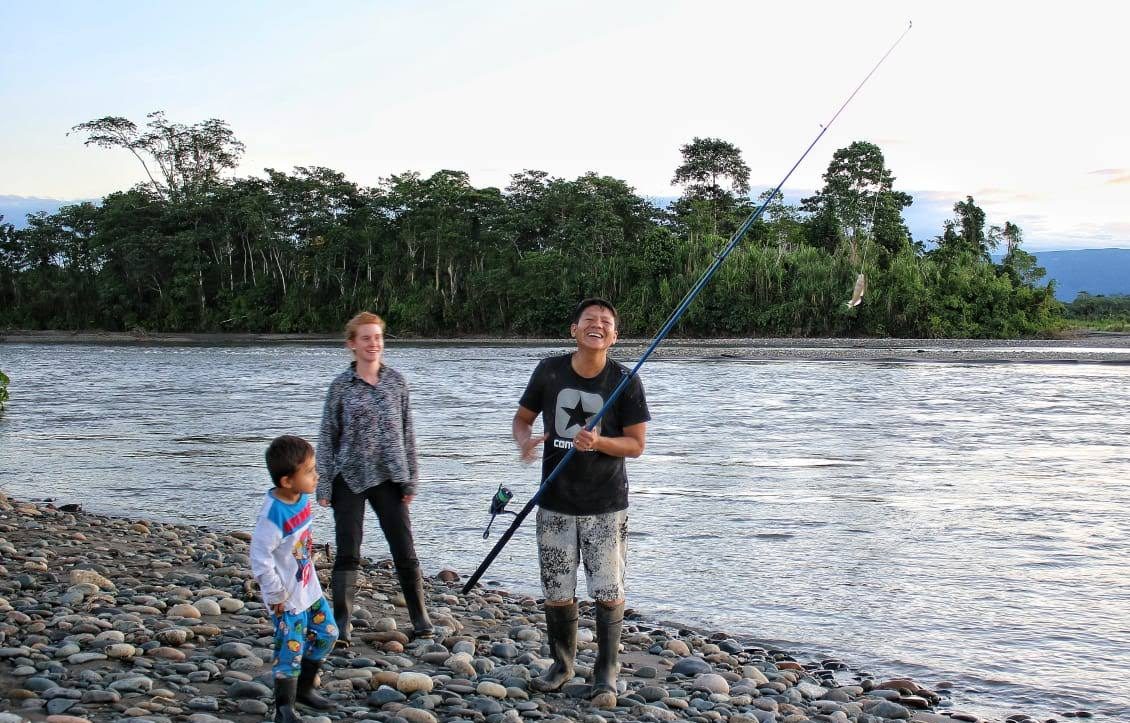
Responsible tourism can play a key role in protecting the Amazon. Visitors who travel to Manu National Park help support conservation efforts and local communities that work to preserve the rainforest.
Sustainable tourism encourages:
Travelers visiting the Amazon should always choose responsible operators that respect nature and local cultures.
Conclusion
Climate change represents a serious challenge for the future of the Amazon rainforest. Protecting areas like Manu National Park is essential for biodiversity conservation and for the health of the planet.
By supporting sustainable tourism and environmental awareness, we can help protect one of the most extraordinary ecosystems on Earth for future generations.